

Radicular and pseudoradicular low back pain
RADIAL PROTOCOL
Radial protocol values
Pressure: 2.5 bar
Pulses: 5000
Frequency: 12–15 Hz
Applicator: 15 mm trigger
Total energy flux density dose: 318 mJ/mm²
Number of sessions: 3 (1 session per week)
Medical Information
Radicular and pseudoradicular low back pain refer to different types of pain that radiate distally toward the legs. Radicular pain radiates below the knee and is believed to originate from disorders associated with nerve root compression. Patients typically perceive pain in distal dermatomes below the knee (radiating pain). In contrast, pseudoradicular pain does not radiate below the knee and is thought to be associated with local proximal disorders that do not affect nerves or nerve roots.
These conditions include involvement of the facet joints, piriformis syndrome, and several other disorders. The associated pain is perceived in the proximal dermatomes of the thigh (referred pain, Head’s zones). In many cases of pseudoradicular low back pain, it is impossible to identify the underlying condition, which characterizes these cases as idiopathic.
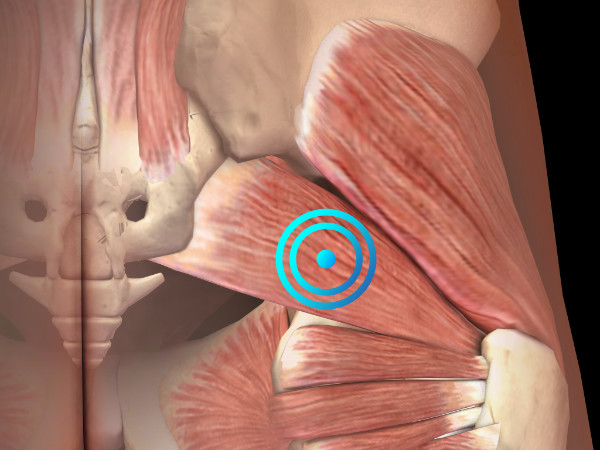
The distinction between radicular and pseudoradicular low back pain is clinically relevant for several reasons:
Radicular pain always has a neuropathic component, as it invariably involves damage to or irritation of peripheral nerves or nerve roots. In contrast, pseudoradicular pain may occur without damage to or irritation of peripheral nerves or nerve roots and may therefore be purely nociceptive. This distinction is highly important when evaluating the results of neurophysiological examinations.
Radicular pain (neuropathic pain) is predominantly responsive to antidepressants and anticonvulsants. By contrast, pseudoradicular pain (nociceptive pain) is predominantly responsive to non-steroidal anti-inflammatory drugs (NSAIDs).
Diagnosis is based on clinical characteristics. Imaging studies should be used to exclude other causes of low back pain or to confirm the diagnosis of radicular or pseudoradicular low back pain in cases of uncertainty. However, it should be noted that abnormalities detected in radiological examinations of the lumbar spine often show poor correlation with clinical symptoms.
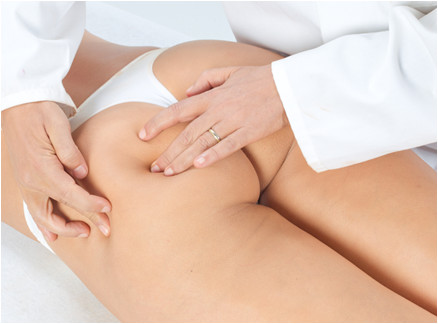
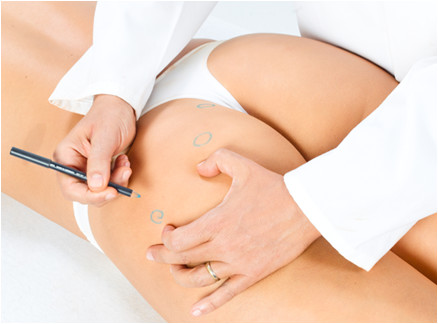
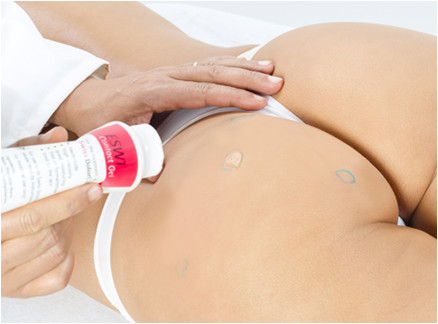
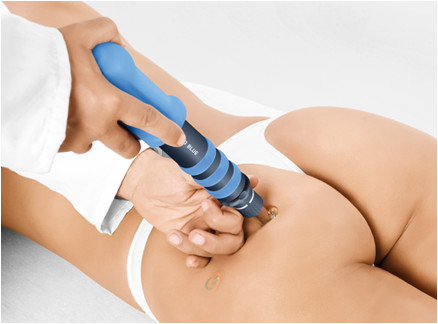
Radial extracorporeal shock wave therapy (rESWT®) represents a highly effective alternative to conservative treatment for pseudoradicular low back pain.
STUDIES
Bauermeister W. Stosswellentherapie beim idiopathischen Rückenschmerz pseudoradikulären Syndromen. In: Maier m, Gillesberger F: Abstract 2003 zur Muskuloskelettalen Stosswellentherapie: Norderstedt, 2003, 29-34. Refer to the study.