

What Are Shock Waves?
Currently, shock waves are widely used in regenerative medicine and musculoskeletal rehabilitation to treat inflammation, calcifications, chondral conditions, and pain relief. They are also extensively used in lithotripsy treatments for the disintegration of kidney and pancreatic stones. As a result, shock wave therapy has become a common first-line therapeutic procedure, particularly in physiotherapy, orthopaedics, and sports medicine. In addition, the fields of aesthetics and dermatology are increasingly adopting this technology due to its growing therapeutic success and frequency of use.
Watch the video presentation we have prepared to better understand the scientific principles behind shock wave therapy:
Shock waves used for therapeutic purposes are pressure waves generated rapidly, with a positive pressure phase followed by a negative pressure phase with sufficient tensile force to produce cavitation in a fluid. This remarkable physical phenomenon occurs naturally when lightning strikes, and the subsequent thunder is a shock wave.
STUDIES:
Reinhardt, N., Wegenaer, J. & de la Fuente, M. Influence of the pulse repetition rate on the acoustic output of ballistic pressure wave devices. Sci Rep 12, 18060 (2022). https://doi.org/10.1038/s41598-022-21595-5
Types of Shock Waves
There are two types of shock waves (Radial and Focused), which is relevant both for the treatment protocol and for their application depending on the type of injury.
FOCUSED SHOCK WAVES
They act at the cellular level by directing the waves toward a single point of action (therapeutic volume), producing low energy dispersion, allowing the selection of the depth of action within the tissues, and are shock waves that may cause slightly more discomfort at the beginning of the application. Proper shock wave application requires professional training. Corr Medical provides accredited training to all its clients, included in the equipment price.
Types of focused technology generators:
Electrohydraulic: operate through an electrical spark plug contained within an aqueous medium. When a high-voltage electric current passes through it, a plasma bubble is generated and expands spherically. This rapid expansion produces a shock wave.
Piezoelectric: consists of generating mechanical stress on crystals, which acquire this stress through an electrical polarity potential difference.
Electromagnetic: uses an electrical coil to generate two magnetic fields with different polarities. Above the coil, there is a metal membrane that is pushed by the magnetic field, thereby generating a shock wave.
RADIAL SHOCK WAVES
They were developed from 1999 onwards by their inventor, Electro Medical Systems (EMS).
These are pneumatically generated waves applied superficially to soft tissues, with a maximum penetration depth of 40 mm in any radial system available on the market.
Their applications are varied, including tendinosis or tendinitis, whether calcified or not, shoulder, knee, or elbow tendinopathies; trochanteric bursitis; iliotibial band friction syndrome; and trigger points. This technique is non-invasive, highly safe, less painful, and can be performed on an outpatient basis.
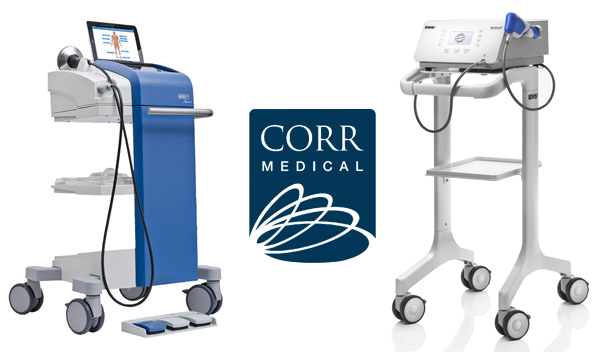
A high-quality radial shock wave device typically consists of an external air compressor, a freely movable radial handpiece that comes into contact with the skin through a conductive gel, and a control panel where the intensity, frequency, and number of impulses for each patient can be adjusted.
What Are Their Physiological Effects and How Do They Work?
The physiological effects of shock wave therapy and their mechanism of action are as follows: they produce microscopic biological interstitial and extracellular effects that trigger mechanotransduction, promoting tissue regeneration. Based on this general physiological effect, the following responses may occur:
Analgesic effects: through the destruction of unmyelinated nerve endings, spinal inhibition, and inhibition of nerve endings via the release of endorphins and the saturation of substance P.
Anti-inflammatory effects: through the degradation of inflammatory mediators induced by hyperthermia.
Temporary increase in vascularization: due to sympathetic paralysis induced by shock waves.
Activation of angiogenesis or formation of new blood vessels: through intraendothelial capillary disruption, with migration of endothelial cells into the interstitial space and activation of angiogenic factors.
Fragmentation of calcium deposits: produced by the mechanical effect of the waves on calcified deposits through dynamic tensile forces acting directly on the calcified layer.
Neo-osteogenesis in cases of pseudoarthrosis and delayed bone healing: in this case, the physiological effect occurs through osteogenic stimulation (osteonectin) caused by osteogenic micronization.
Furthermore, the specific indications for shock wave therapy depend on the type of treatment, as it can be used in injury rehabilitation, urology, dermatology, and aesthetic medicine.
Below are various conditions and injuries for which shock wave therapy is recommended:
Epicondylitis and epicondylalgias
A pathology characterised by pain on the outer side of the elbow, over the epicondyle (the outermost bony prominence of the elbow), as a result of sustained tension or repeated overexertion.
Chronic tendinitis and tendinopathies
Chronic tendinopathy refers to inflammation of the tendons that persists over time.
Calcific tendinopathies
A common shoulder pathology that causes pain.
Plantar fasciitis and heel spurs
Shockwave therapy is a very suitable treatment for plantar fasciitis and other types of inflammatory pathologies such as tendinitis.
Pseudarthrosis and delayed fracture healing
In general, it is accepted that if healing is not effective within 6-8 months, we are facing a pseudarthrosis (non-union).
Post-traumatic muscle fibrosis
This refers to the replacement of muscle tissue by fibrous tissue or the accumulation of collagen fibres following a trauma.
Osteochondritis and avascular necrosis
The former is the loss of bone vitality and the latter is a disease resulting from the temporary or permanent loss of blood supply to the bones.
Actions on the tendon
Chronic tendinopathy refers to inflammation of the tendons that persists over time.
Mitogenic and morphogenic response
It promotes cellular mitosis and, therefore, tissue regeneration. Furthermore, it increases the formation of new bone, cartilage, or connective tissue.
Increase in tenocytes
The tendons will gradually regenerate.
Increased expression of TGF-β1 and IGF-1
Insulin-like growth factors 1.
Promoves neovascularisation
New blood vessels will be generated and the area will be revascularised.
Of course, shock wave therapy may present some side effects, although in general it is well tolerated and offers very good long-term outcomes.
Possible adverse effects include subcutaneous hematomas, petechiae, and erythema. For this reason, patients taking anticoagulants should not undergo this type of therapy.
On the other hand, there are certain physical conditions or diseases for which shock wave therapy is NOT recommended, such as acute inflammatory and infectious processes, hemorrhagic disorders and anticoagulant treatments, polyneuropathies, neoplasms, systemic rheumatic diseases, growth plates in children (growth cartilage), and areas containing gas, such as the lungs.
Pain-Free Therapy
Shock wave therapy helps restore the pathological condition through a process in which the application of the technique is non-invasive and generally not painful, although some discomfort may occur during treatment. Surgery, traditionally one of the most invasive and commonly used procedures for recovering muscular or osteoarticular injuries, is often associated with pain, requires anesthesia, and involves recovery with hospital admission.
For this reason, modern therapies aim to relieve pain, shorten recovery time, and restore full functionality to injured tissues. Shock wave therapy, whose analgesic effect may appear immediately after the application of approximately 400 pulses, helps reduce sensitivity and pain. However, discomfort may reappear a few hours later, as this is a progressive therapy.
Do shock waves hurt? Shock wave therapy is safe, minimally invasive, and for most patients provides progressive recovery from the injury. Discomfort at the beginning of the treatment is generally well tolerated, and thanks to its analgesic effect, this sensation usually decreases during the first session as the treatment progresses. This is particularly true for radial pressure shock waves, which, as mentioned previously, are less invasive than focused shock waves and have a gentler effect on tissues.
Radial shock wave session for plantar fasciitis using the EMS Swiss DolorClast method:
Radial shock waves have been the subject of numerous scientific studies conducted under the supervision of ethics committees from leading medical institutions. As a result, this is a widely validated and effective treatment with broad consensus within the international medical community.
The results have been published in numerous reputable medical journals.
Some examples are listed below:
The success rate in calcific shoulder tendinitis is 91%, according to the Journal of the American Medical Association, 2003.
The success rate in the treatment of plantar fasciitis is 90%, according to the Journal of Orthopaedic Research, 2005.
The success rate in the treatment of tennis elbow is 77%, according to data published in the Journal of Orthopaedics, 2005.
Alternative to surgery
Shock wave therapies act positively on the body without the need for any tissue incision. For this reason, many patients and healthcare professionals have adopted this type of treatment for various conditions that previously required surgery.
Shock waves can also be applied to patients who have undergone surgical procedures, as their effects may help accelerate the healing and tissue repair process.
The pulses delivered to the skin through energy waves travelling faster than sound generate microscopic cavitation in the affected area. This stimulates increased blood flow and other biological mechanisms that support tissue healing and regeneration.
Indications for Shock Wave Therapy: Conditions Treated and Clinical Effectiveness
Shock wave therapy has become one of the most effective ways to address a wide range of physical conditions. This type of treatment acts quickly and beneficially on injuries, pain, calcifications, tendinitis, and many other disorders, including cellulite and erectile dysfunction. View the Official List of ISMST-Approved Indications.
SHOCK WAVE THERAPY FOR PHYSIOTHERAPY
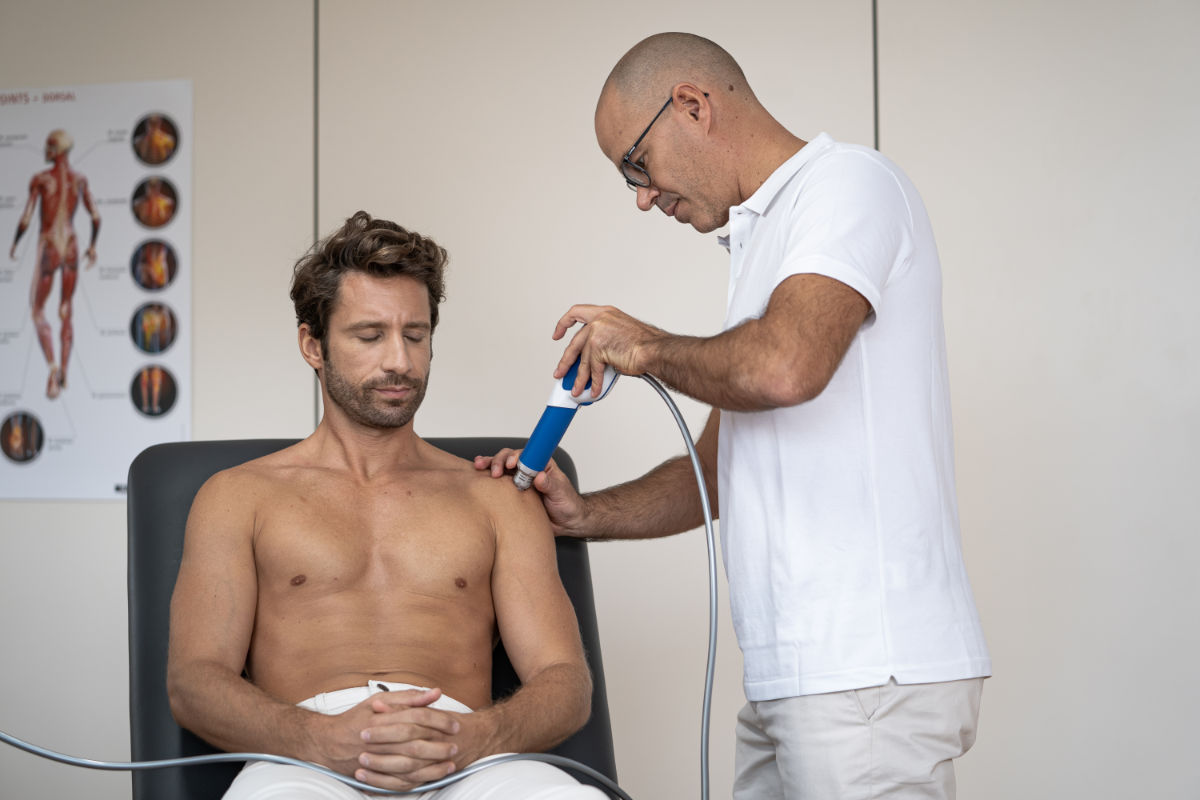
The broad field of physiotherapy applications has greatly benefited from advances in shock wave therapy techniques. As a result, it is possible to enhance therapeutic outcomes in cases of contractures, muscle pain, and ligament injuries.
Initially, the waves generate a mechanical effect that triggers mechanotransduction within the tissues, producing a beneficial biological response in the treated area. Shock waves help stimulate tissue regeneration, contributing to pain relief, improved overall condition, and a reduced risk of future injuries.
SHOCK WAVE THERAPY FOR EPICONDYLITIS
Within the field of physiotherapy, forearm pain and, particularly, conditions affecting the epicondylar tendons are very common among people who practice sports. Thanks to shock wave therapy, epicondylitis can be treated with a high rate of success. Also known as tennis elbow, this condition may range from mild discomfort to severe pain that can almost completely limit movement or rotation of the hand, wrist, or forearm.
SHOCK WAVE THERAPY FOR PLANTAR FASCIITIS
Treatment for inflammation of the plantar fascia — the tissue that extends from the sole of the foot to the toes — is another of the main reasons why shock wave therapies have become so widespread and widely adopted. In fact, patients often experience significant improvement after several sessions due to the tissue stimulation produced by shock waves. According to the American Podiatric Medical Association, the gold standard treatment for plantar fasciitis is shock wave therapy combined with eccentric exercises.
SHOCK WAVE THERAPY FOR CELLULITE
Shock waves are increasingly used in the field of aesthetic medicine and in beauty clinics and institutes. The small impacts applied to adipose cells and dilated tissue act directly on the source of the problem, stimulating circulation and delivering excellent results, especially when combined with a balanced diet and moderate physical exercise. According to studies conducted using the DolorClast device. Discover SMART BEAUTY CONCEPT, our range of professional aesthetic equipment.
SHOCK WAVE THERAPY FOR TENDINITIS
When tendons become inflamed, the consequences often include intense pain and discomfort. Once this occurs in a patient, there is a high probability of recurrence. For this reason, shock wave therapy provides rapid and noticeable improvement while also serving as a preventive strategy against future episodes.
SHOCK WAVE THERAPY FOR ERECTILE DYSFUNCTION
Thanks to the application of low-intensity shock waves directly to the surface of the penis, blood circulation is improved and new blood vessels are stimulated. The increased ability of this organ to receive and retain blood within the corpora cavernosa enhances the ability to achieve and maintain an erection.
The technique is completely painless and is usually performed over several sessions lasting approximately 15 minutes each. Small pulses are applied both to the root area and along the sides of the penis. Following the treatment process, many patients experience a significant improvement in sexual performance.
Discover our PiezoWave 2 focused shock wave device, recommended for the treatment of erectile dysfunction.
SHOCK WAVE THERAPY FOR CALCIFICATIONS
When a tissue is repeatedly injured, its cells tend to harden, increasing the likelihood of further injury. This process is known as calcification. Softening and promoting regeneration of the affected area can be achieved through several approaches, one of the most effective and fastest being shock wave therapy.
ONDAS DE CHOQUE PARA ESPOLÓN
Shock wave therapy helps reduce the painful effects of calcaneal spurs, a bony growth that develops in the heel area. In many cases, calcaneal spurs develop simultaneously with plantar fasciitis, making this type of treatment particularly effective for both conditions.
Evidencia científica
The effectiveness of shock waves as a tool capable of producing biological and physical changes in tissues and calcifications has been demonstrated since 1980, when they began to be used to break down kidney stones without the need for surgical intervention. Since then, the application of shock waves has progressively expanded into other treatments, particularly in physiotherapy, orthopaedics, sports medicine, and even veterinary medicine. In all these fields, shock waves have become a commonly used therapeutic tool.
Scientific evidence supporting shock wave therapy is reflected in more than 40 articles published between 1988 and 2003 and extracted from various private medical databases. These studies focus on musculoskeletal treatments using shock waves and report outcomes in conditions such as plantar fasciitis, epicondylitis or tennis elbow, epitrochleitis or golfer’s elbow, calcific shoulder tendinitis, non-calcific shoulder tendinitis, joint disorders, and delayed fracture healing. Across all these studies, the effectiveness of shock wave therapy demonstrated satisfactory results in 79.5% of cases. Furthermore, its widespread use in both public and private hospital services further supports its clinical acceptance.
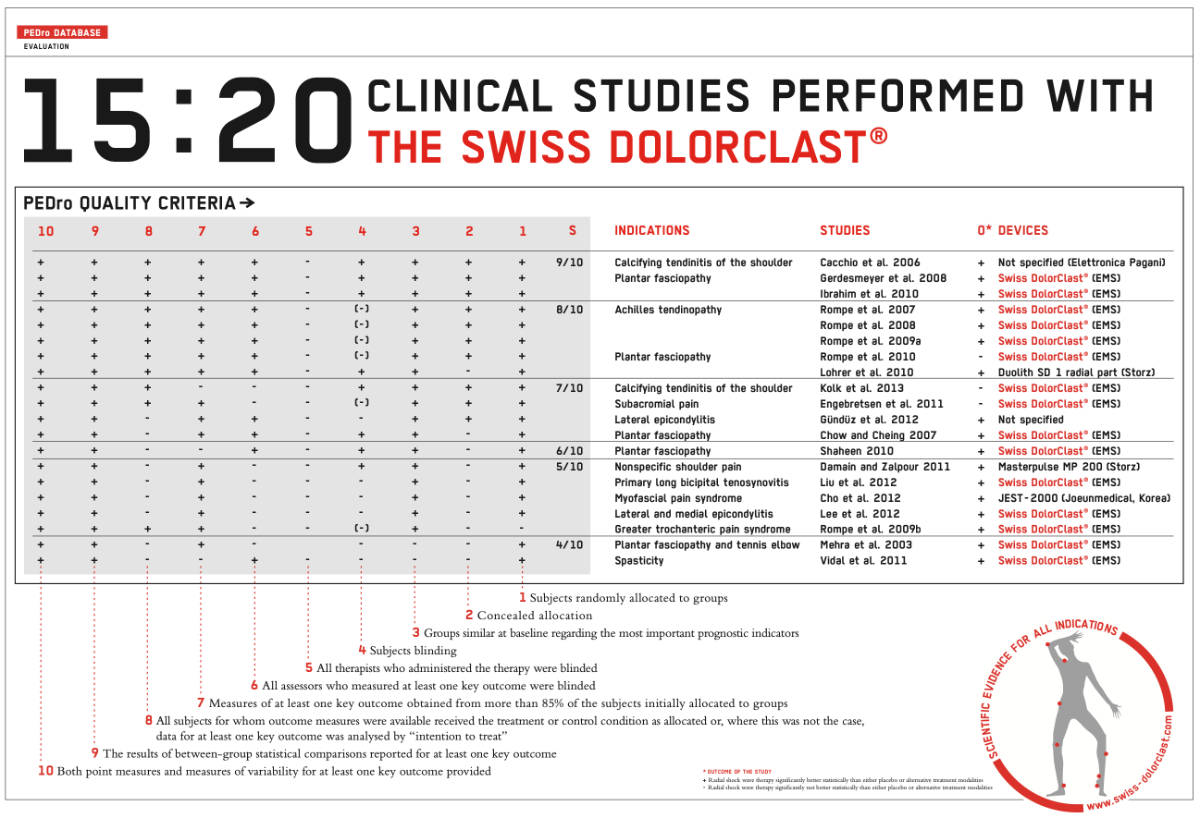
15 out of 20 studies demonstrated evidence according to PEDro (Physiotherapy Evidence Database).
INCREASED RELEASE OF SUBSTANCE P
One of these neurotransmitters is substance P, a pain mediator and growth factor. On one hand, the release of substance P triggered by shock waves produces an analgesic effect. On the other hand, it dilates blood vessels, stimulates blood circulation, and contributes to the formation of new bone tissue. Nitric oxide (NO) also has a vasodilatory effect and plays an important role in angiogenesis.
In summary, we understand why shock waves, when applied to painful areas, produce an analgesic effect, increase blood circulation, and support the tissue repair process.
INHIBITION OF THE COX-2 ENZYME
By inhibiting inflammatory mediators such as COX-2, shock waves produce an anti-inflammatory effect. In this way, inflammatory processes may be reduced.
ACTIVATION OF CELLULAR DEFENSE MECHANISMS
By contributing to the release of free radicals, shock waves enhance the body’s endogenous cellular defense mechanisms, helping to protect tissues against disease processes.
HYPERSTIMULATION OF NERVE FIBERS
Scientific studies have also shown that shock waves act through another mechanism: overstimulation of nerve fibers blocks the increase of pain stimuli and therefore enhances the analgesic effect (gate control theory).
According to other sources, shock waves have also been widely used in medicine for the disintegration of calculi, a technique known as lithotripsy. They are currently applied in the treatment of kidney, ureteral, bladder, pancreatic, and salivary stones. These waves are also used for the treatment of certain musculoskeletal conditions involving inflammation, soft tissue calcifications, chondral involvement, and related disorders. Their biological effects include:
Analgesic effect: through the destruction of nerve endings, changes in nerve transmission via spinal inhibition (gate control), and inhibition of nerve endings through the release of endorphins.
Anti-inflammatory effect: degradation of inflammatory mediators through induced hyperemia.
Temporary increase in vascularization: caused by sympathetic paralysis induced by the absorption of shock wave energy losses.
Activation of angiogenesis: intraendothelial capillary disruption with migration of endothelial cells into the interstitial space and activation of angiogenic factors.
Fragmentation of calcific deposits: produced by the mechanical effect of the waves themselves.
Neo-osteogenesis: stimulation of osteogenic factors (osteonectin, among others) through osteogenic micronization.
All these effects allow shock waves to be used in the treatment of chronic tendinopathies and enthesopathies in various locations, with or without calcifications, delayed fracture healing and pseudoarthrosis, chronic fasciitis, post-traumatic muscular fibrosis, osteochondritis, avascular necrosis, solitary bone cysts, Peyronie’s disease, erectile dysfunction, among other conditions.
Currently, their use in aesthetic medicine is also well known for the treatment of cellulite and the so-called “orange peel skin” effect, while also significantly improving skin elasticity and muscle tone. Shock waves produce hypervascularization in the treated area, leading to decompression of hypertrophied cellulite cells and helping reduce circumference and centimetres in the treated area.
Benefits of Shock Wave Therapy in Sports Treatments
If there are conditions in which shock wave therapy is particularly effective, they are undoubtedly those related to sports practice. Indeed, it is a treatment widely used for tendon injuries and other muscular conditions of the body, such as epicondylitis, tendinitis, plantar fasciitis, and a wide range of musculoskeletal disorders. The main benefits of these acoustic waves stem from the fact that they are a non-invasive procedure that does not require any type of anesthesia. In addition, they help accelerate the natural healing process, allowing for faster recovery and a more effective rehabilitation process for patients.
In addition, the analgesic effects of shock wave therapy help reduce pain from the very beginning of the treatment, and because they are natural, they are in no way associated with positive doping results. Another of the most relevant characteristics of this therapy is its ability to reduce or eliminate calcification processes. For these reasons, the diligent use of this therapy is essential once the injury has been properly diagnosed, allowing it to provide a dual therapeutic effect on the condition. On one hand, it contributes to reversing inflammation, and on the other, it helps reduce pain thanks to its significant analgesic effects, generating notable relief for affected patients.